Why Australia Is a Paradise for Conservation-Minded Photographers

Australia’s Diverse Ecosystems
Australia offers an incredible array of ecosystems that draw nature enthusiasts and conservation photographers alike. From the verdant rainforests to the tranquil woodlands, each region tells a unique story. As I reflect on my time capturing these landscapes, I think of places like Kings Park and Botanic Garden, where you can witness the harmony between urban life and nature. This vast green space is more than just a local landmark; it serves as a vital reminder of the conservation efforts needed to preserve such beauty.
Rainforests and Woodlands
Australia’s rainforests, though only covering a small portion of the land, are teeming with biodiversity. These forests are home to myriad species—some of which are yet to be fully studied and understood. When photographing in these lush environments, patience is key. Often, the most captivating shots come unexpectedly, as wildlife intertwines with ancient trees and lush foliage.
Coastal and Marine Areas
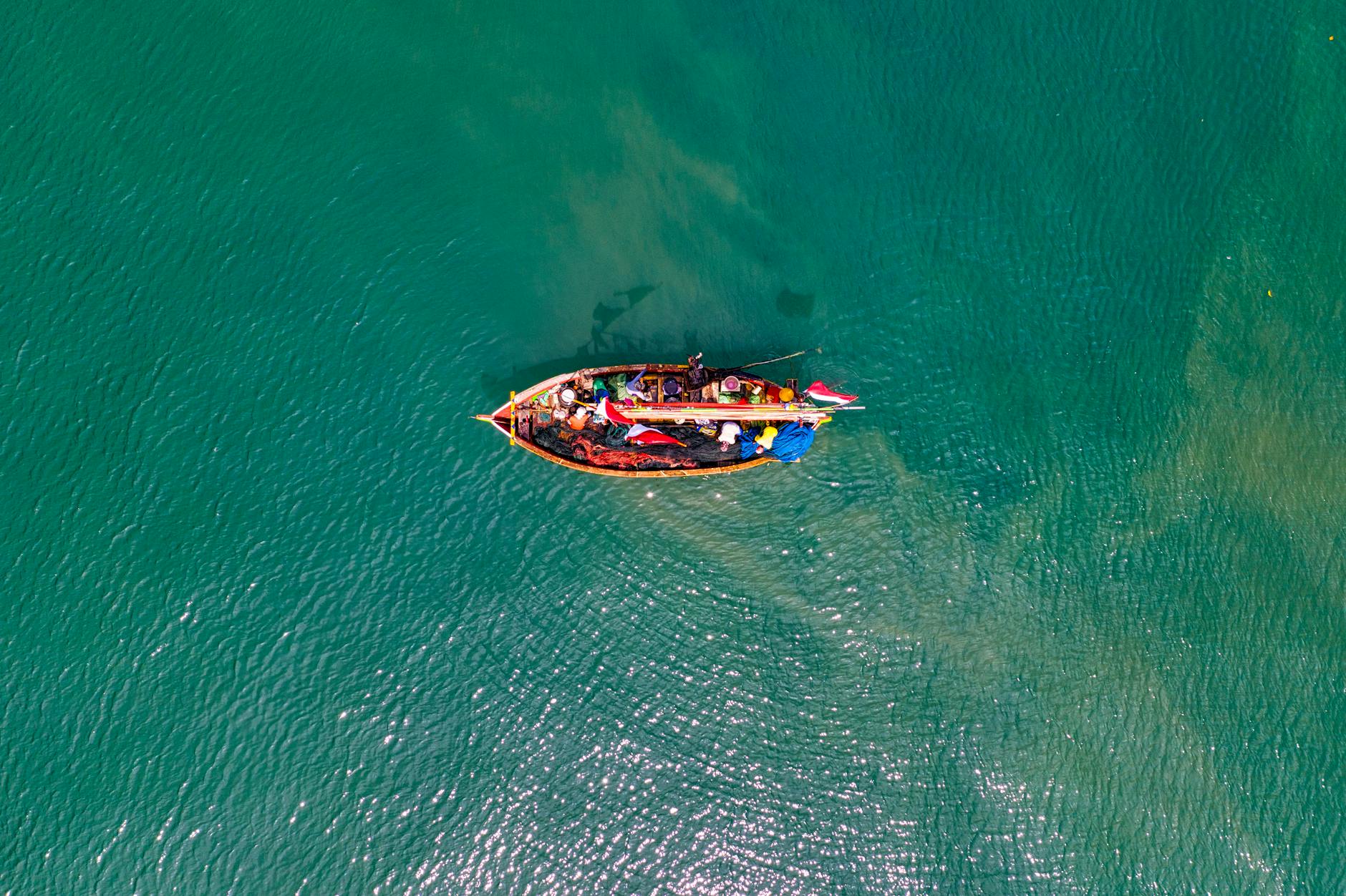
The coastal and marine areas around Australia are a testament to the nation’s affinity with the ocean. These ecosystems support a multitude of marine life, offering endless opportunities for photographers to capture vibrant underwater scenes. The interplay between land and sea creates dynamic environments that inspire awe.
Deserts and Arid Landscapes
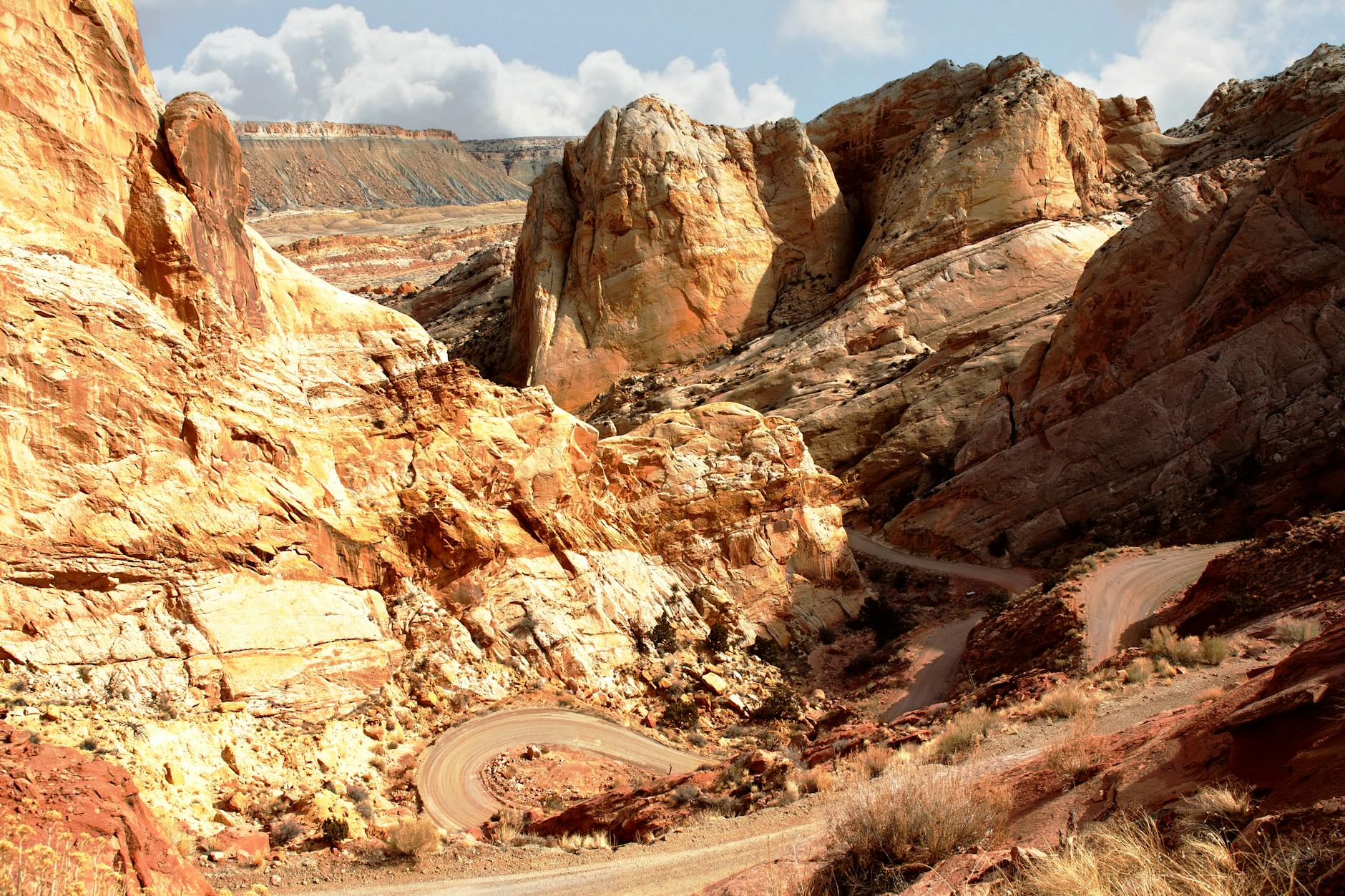
On the flip side, Australia’s arid landscapes offer stark yet stunning scenes. These deserts are not barren; they are thriving with life adapted to extreme conditions. A namibia safari in Africa, or similar to the desert africa tours I experienced, offers context to appreciate Australia's own vast, desolate beauty. Each setting offers unique insights into nature's resilience and vitality, reminding us of our role in conservation.
Iconic Wildlife Encounters
Unique Mammals and Marsupials
Australia is home to an unparalleled array of unique mammals, with marsupials like kangaroos and koalas instantly capturing the imagination. My work often takes me to places like Kings Park and Botanic Garden, where these creatures exemplify the delicate balance of nature and urban life. It's essential to approach wildlife with respect and aim to minimise disturbance while observing them in their natural habitat. This ethos is similar to the deeply enriching experience of an African safari, where one can witness the majestic big cats and elephants in their natural environments.
Birdwatching Opportunities
Birdwatching in Australia offers remarkable possibilities, particularly in regions teeming with avian life. The variety one might encounter ranges from rainbow lorikeets to the iconic kookaburra, each species playing its role in this vibrant ecosystem. These observations not only provide aesthetic pleasure but also foster a deeper understanding of ecological interdependencies. Similarly, those who find themselves on an Africa safari may draw parallels, observing the myriad of bird species that inhabit diverse ecosystems across the continent.
Aquatic Life Adventures
The marine life along Australia’s coastlines intrigues both the casual observer and the dedicated conservationist. Diverse aquatic species, from the playful dolphins to the elusive great white sharks, coexist in this rich underwater world. Engaging in these encounters with a conscientious mindset echoes the practices championed by eco-tour operators, aiming to preserve marine ecosystems while offering unforgettable experiences. As with any environmental pursuit, whether locally or internationally, thoughtful engagement leaves lasting impressions, encouraging ongoing conservation efforts.
Conservation Photography Tips
Ethical Shooting Practices
As a conservation-driven photographer, my work prioritises the well-being of wildlife over the perfect shot. Ethical shooting practices start with understanding and respecting the environment. For instance, when photographing at Rottnest Island, I observe animals like quokkas from a distance to ensure their natural behaviour isn't disrupted. Using long lenses is advantageous, allowing you to capture close-up details without intruding on their space. Always adhere to local guidelines, as these rules protect fragile ecosystems and the creatures residing in them.
Capturing Rare Species
Patience becomes your most valuable tool when aiming to photograph rare species. While embarking on Namibia tours to capture elusive wildlife such as the black rhino, it's essential to dedicate time to quietly observe and learn their patterns and movements. Researching beforehand on their habitats and behaviours significantly increases your chances of a successful sighting. Remember that some moments are worth the wait, and the reward is a deeper appreciation of species that need our protection.
Impactful Storytelling
Photography is a powerful medium for sparking environmental connections. It's not just about the images captured but the stories they tell. Through compelling narratives behind each photograph, like a bird sanctuary visit, you can highlight the urgent need for conservation. Emphasising threats these species face or initiatives protecting them can inspire action among viewers. By combining striking imagery with insightful storytelling, your work can make a significant impact, fostering increased awareness and support for conservation efforts.
Sustainable Travel Practices
Eco-Friendly Accommodations
When choosing eco-friendly accommodations, it’s crucial to look for places that exemplify sustainability. Many lodging options are now emphasising renewable energy sources, water conservation, and waste reduction. As a conservation-driven photographer, I understand the importance of reducing our carbon footprint. Opting for accommodations that actively pursue green certifications can significantly lower your environmental impact. Furthermore, these venues can provide a unique experience, blending comfort with eco-consciousness.
Responsible Tour Guides
An enriching experience is heightened by responsible tour guides prioritising conservation education. These guides often work in tandem with local communities, offering insightful information about the flora, fauna, and ecosystems of the area. For novices exploring places like the expansive terrains of south africa tours, collaborating with guides who emphasize responsible wildlife interaction enhances the experience without compromising ethical standards.
Supporting Local Communities
Supporting local communities is at the forefront of sustainable travel. Prioritising services and products from local businesses ensures that tourism positively impacts the area's economy. Engaging with community-led initiatives not only enriches your travel experience but also aids in fostering a symbiotic relationship between tourism and conservation efforts. By travelling sustainably, every step you take can contribute to a model where communities thrive, ecosystems are preserved, and travellers feel an authentic connection with the places they visit.
Delicate Balance: Tourism and Conservation
Navigating Weather and Harsh Conditions
Venturing into Australia’s wild landscapes presents a tantalizing blend of beauty and challenge. As a conservation-driven photographer who often finds inspiration in the wild terrains surrounding Perth, I'm continually reminded of the resilience required to endure the country’s capricious weather. Whether capturing a lightning storm over the vast outback or a tranquil sunrise at Kings Park and Botanic Garden, being prepared for the unpredictable nature of Mother Earth is essential. One minute, I could be photographing quokkas on Rottnest Island; the next, I might be seeking shelter from an unexpected downpour.
Exploring Remote Gems
The gems hidden within Australia’s varied ecosystems demand perseverance and respect. Remote locations, while breathtaking and vital for conservation photography, require meticulous planning to reach safely. Navigating the intricate terrains of the Kimberley or the remote beaches of the Ningaloo Reef involves more than just spirit; it’s about understanding the land’s fragility. By choosing eco-friendly transport options like electric rental cars or sustainable ferries across Perth’s Swan River, we not only minimise our carbon footprint but also experience the thrill of exploration responsibly.
Ensuring Sustainability in Tourism
Bridging the delicate gap between tourism and conservation is crucial for the survival of Australia’s natural heritage. Supporting enterprises that invest in the local economies, such as the vibrant Fremantle Markets, where sustainable gardening practices are championed, aids both the communities and the environment. By engaging with initiatives that focus on sustainable tourism, we can help safeguard Australia’s unique ecosystems for future generations, ensuring that the photographs we and others capture today inspire continued preservation and awareness. Through understanding and action, we tread lightly, leaving nothing but footprints and taking only memories, whilst allowing the world to remain vibrant and alive.